

On April 20, 1999, 12-year-old Cally Jo was murdered inside her family’s home in Waseca, MN. Cally had returned home from school before her sister and mom and was likely inside when an intruder entered through the basement door. Her sister later arrived home and discovered signs of a burglary. She also found Cally, who had suffered a fatal stab wound to the chest among other injuries. Investigators found that cash, silver certificates, and the girls’ collection of CDs were missing. They collected blood from the stairs, searched the house for fingerprints, and vacuumed the carpets for hairs and other trace evidence.
Although investigators recovered hundreds of fingerprints and numerous hairs, the fingerprints were eventually identified as belonging to family members and friends. The blood belonged to Cally Jo, and two hairs recovered from the crime scene initially could not be analyzed using nuclear DNA because they lacked root material.
The investigation remained unsolved for months, with police developing a number of suspects based on witness descriptions and possible connections to burglaries and sex offenses. The case eventually gained new momentum after police arrested Lorenzo Sanchez in connection with a series of burglaries in Waseca. Sanchez had been found carrying burglary tools, and stolen property was recovered from his home.
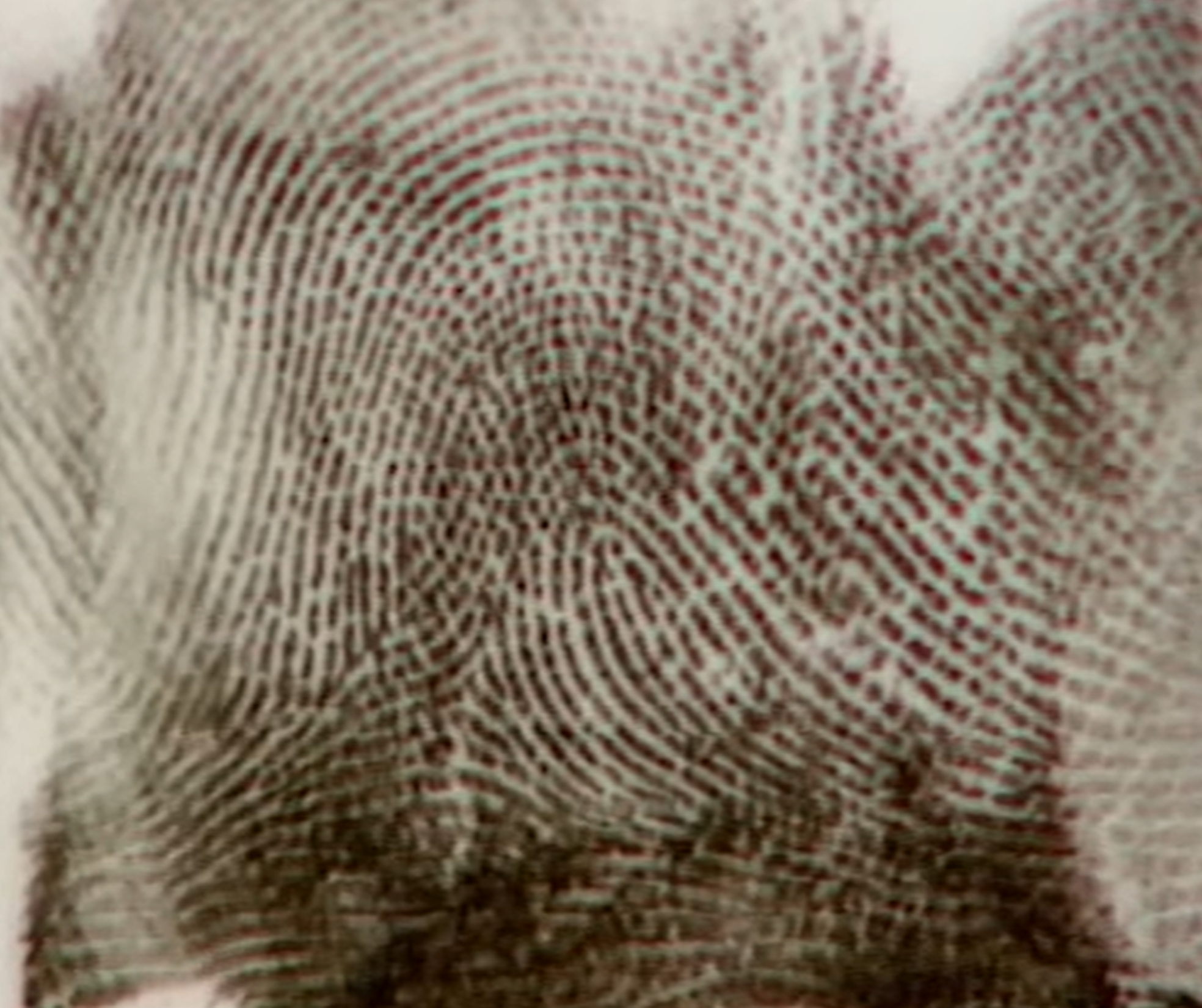
Cally Jo’s finger print
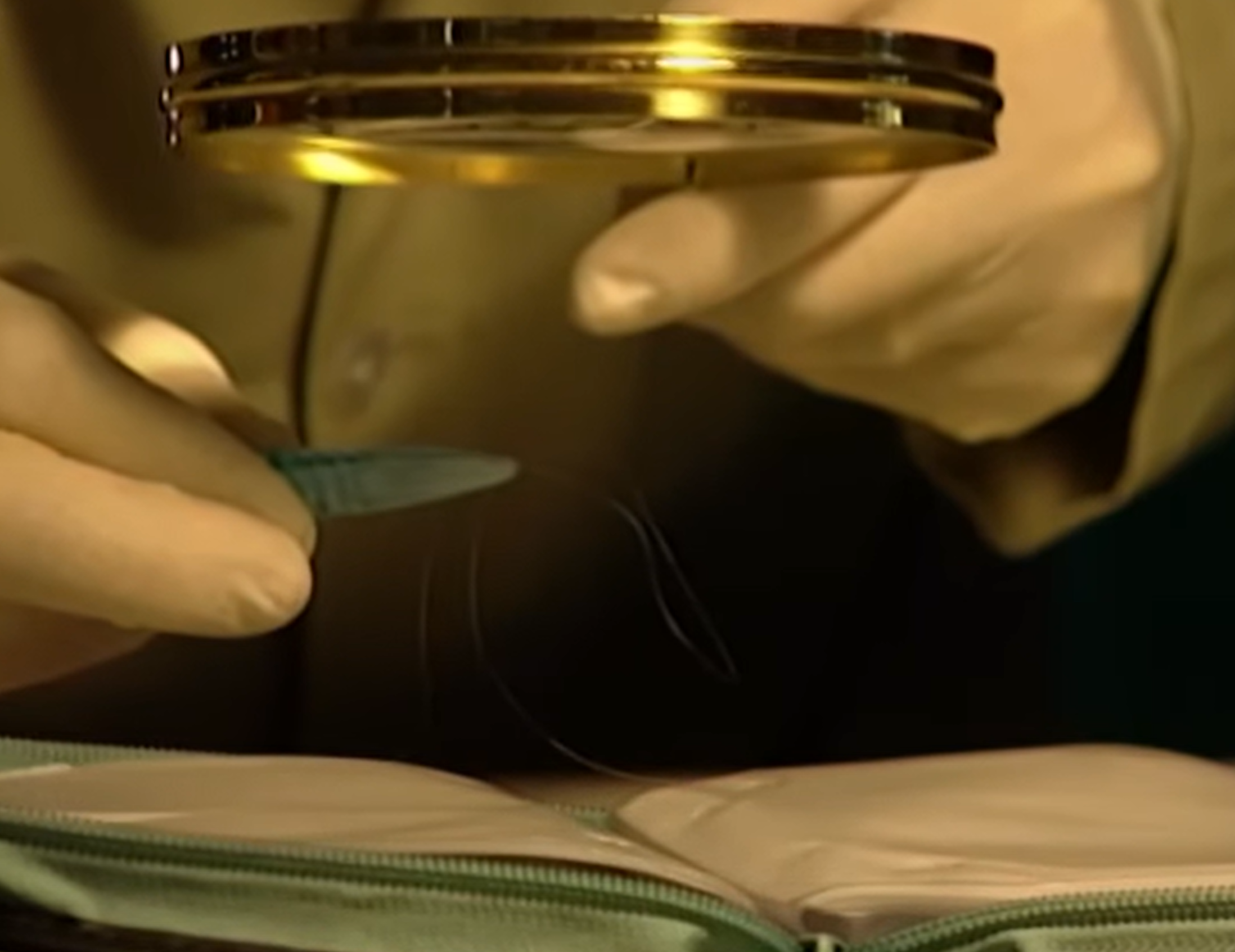
One of Cally’s hairs was found in a stolen item in the suspect’s home
Among the items were two CD cases that Connie identified as belonging to Cally Jo. Investigators sent the cases for forensic examination and discovered a blond hair inside one of them. DNA testing determined that the hair belonged to Cally Jo. More importantly, forensic examiner Dave Peterson used super glue fuming to develop a fingerprint from the plastic sleeve inside one of the CD cases. The print was identified as Cally Jo's right ring fingerprint, establishing that an item from her home had been in Sanchez's possession.
Investigators then returned to the two unidentified hairs recovered from the original crime scene and used mitochondrial DNA testing, which can be performed on hair without a root but is less individually specific than nuclear DNA. The mitochondrial DNA profile from the hairs was consistent with Sanchez. Investigators therefore examined Sanchez's brothers and their whereabouts at the time of the murder.
Sanchez’ brothers both had alibis that were corroborated while Lorenzo Sanchez had no alibi. His work records showed that he was not working at the time of the murder. Sanchez was subsequently charged with first-degree murder. While incarcerated, he was recorded discussing the evidence with his sister-in-law and attempting to shift suspicion toward his half brother. After being confronted with the recording, Sanchez ultimately pleaded guilty to first-degree murder and was sentenced to life in prison.
The case was solved primarily through forensic evidence, including Cally Jo's fingerprint and hair recovered from property stolen from her home, along with mitochondrial DNA linking the unidentified crime-scene hairs to Sanchez.
While the conviction can be attributed to the forensic evidence, prosecutors would not have had a suspect if it weren’t for the unyielding work of the officers of the Waseca Police Department, the Waseca County Sheriffs, and the Agents of the Minnesota Bureau of Criminal Apprehension.
Watch the Forensic Files episode about Cally Jo’s case.